Delving into the world of siding and roofing replacement costs, this article uncovers the various factors and materials that impact the overall expenses. From material choices to labor costs, get ready to learn all about what goes into determining the cost of replacing siding and roofing.
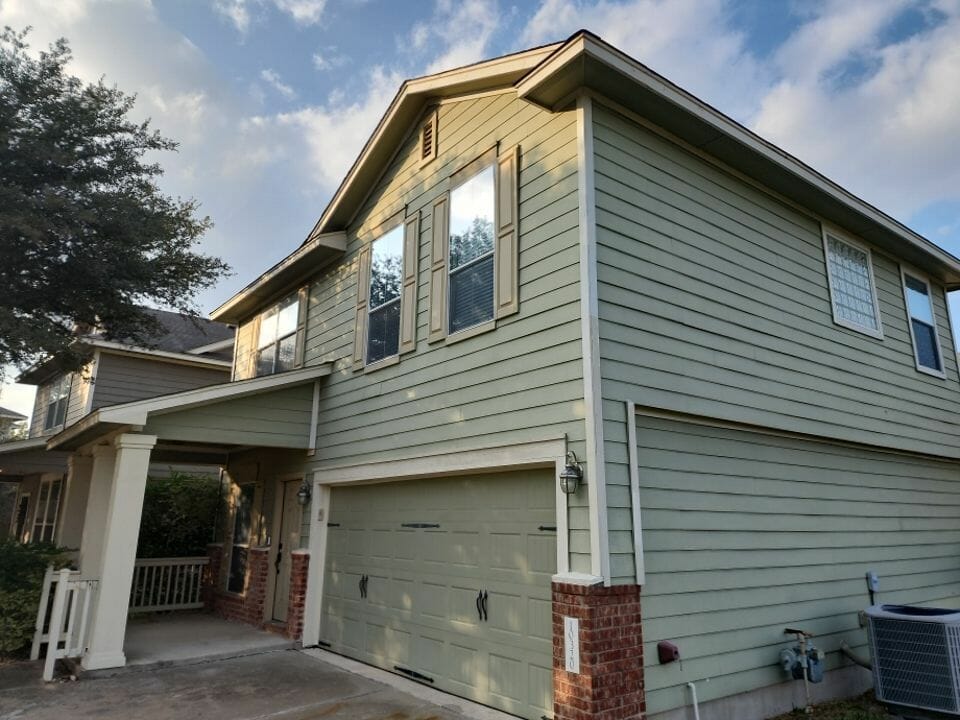 . The initial cost of metal siding may be higher than vinyl or fiber cement, but its longevity and minimal maintenance requirements make it a cost-effective choice over time.
Metal siding is also energy-efficient, helping homeowners save on heating and cooling costs.
. The initial cost of metal siding may be higher than vinyl or fiber cement, but its longevity and minimal maintenance requirements make it a cost-effective choice over time.
Metal siding is also energy-efficient, helping homeowners save on heating and cooling costs.
Factors Influencing Siding and Roofing Replacement Cost
When it comes to replacing siding and roofing, several factors come into play that can influence the overall cost of the project. Let's take a look at some of the key factors that can impact the expenses involved.Material Choice
The choice of materials used for siding and roofing can significantly affect the replacement cost. High-end materials like cedar or slate will be more expensive than more budget-friendly options like asphalt shingles or vinyl siding. It's essential to consider not only the upfront cost but also the durability and maintenance requirements of the materials.Size of the Project
The size of the project, including the square footage of the home and the complexity of the roof design, will play a role in determining the replacement cost. Larger homes with intricate roof structures will require more materials and labor, leading to higher expenses. Additionally, the more extensive the project, the longer it will take to complete, which can also impact costs.Labor Costs
Labor costs are a significant factor in siding and roofing replacement expenses. Skilled labor is essential for proper installation, and experienced contractors may charge higher rates for their services. The complexity of the project, accessibility of the roof, and local labor market conditions can all influence labor costs.Location
The location of the property can also impact the replacement cost of siding and roofing. Factors such as local building codes, permit requirements, and accessibility to the property can all affect the overall expenses. Additionally, areas with higher costs of living may have higher labor costs, which can drive up the total cost of the project.Condition of Existing Siding and Roof
The condition of the existing siding and roof can have a significant impact on the replacement cost. If there is extensive damage or structural issues that need to be addressed before installation can begin, additional repairs and materials may be required, leading to higher expenses. It's crucial to assess the condition of the existing siding and roof before starting the replacement project to avoid any unexpected costs.Cost Comparison of Various Siding Materials
When considering siding materials for your home, it's important to understand the costs associated with each option. Factors such as initial investment, maintenance expenses, and long-term durability play a crucial role in determining the overall replacement cost over time.Vinyl Siding
Vinyl siding is one of the most affordable options on the market. The initial cost of vinyl siding is relatively low compared to other materials, making it a popular choice for budget-conscious homeowners. Although it may require occasional cleaning, vinyl siding is low maintenance and durable, reducing long-term expenses.Wood Siding
Wood siding can be more expensive upfront compared to vinyl, but it offers a natural and timeless look that many homeowners desire. However, wood siding requires regular maintenance, such as painting or staining, to prevent rot and decay. The long-term costs of wood siding can add up due to the need for ongoing maintenance.Fiber Cement Siding
Fiber cement siding is a mid-range option that balances cost and durability. While the initial investment may be higher than vinyl, fiber cement siding is known for its longevity and resistance to rot, insects, and harsh weather conditions. With minimal maintenance required, fiber cement siding offers a cost-effective solution in the long run.Metal Siding
Metal siding is a durable and low-maintenance option that can withstand the elementsRoofing Material Options and Their Cost
When it comes to choosing roofing materials for replacement, homeowners have a variety of options to consider. Each type of roofing material comes with its own cost implications, which can vary based on factors such as longevity, energy efficiency, and maintenance requirements.Asphalt Shingles:Asphalt shingles are one of the most common and affordable roofing materials. They are easy to install and come in a wide range of colors and styles. However, asphalt shingles have a shorter lifespan compared to other materials, typically lasting around 20-30 years. The cost of asphalt shingles can vary depending on the quality and brand, but they are generally the most budget-friendly option.Metal Roofing:Metal roofing is known for its durability and longevity, with some metal roofs lasting up to 50 years or more. While metal roofing can be more expensive upfront compared to asphalt shingles, the long-term cost benefits can outweigh the initial investment. Metal roofs are also energy-efficient and low-maintenance, which can help reduce heating and cooling costs over time.Wood Shingles/Shakes:Wood shingles and shakes offer a natural and rustic look to a home, but they require more maintenance compared to other materials. Wood roofing materials are susceptible to rot, mold, and insect damage, so regular inspections and treatments are necessary to prolong their lifespan. The initial cost of wood shingles/shakes can be higher than asphalt shingles, but they can add character and charm to a home.Tile Roofing:Tile roofing is a popular choice for homes with a Mediterranean or Spanish-style architecture. While tile roofs can be more expensive than asphalt shingles or metal roofing, they are extremely durable and can last up to 50 years or more. Tile roofing is also energy-efficient, as it helps regulate indoor temperatures and reduce heating and cooling costs. However, the weight of tile roofing may require additional structural support, which can add to the overall cost of installation.In addition to the upfront cost of roofing materials, homeowners should also consider any additional costs associated with specific materials. For example, some roofing materials may require additional insulation or underlayment to meet building codes and ensure proper installation. These extra costs should be factored into the total cost of roof replacement to avoid any surprises during the project.Labor Costs and Installation Considerations
When it comes to siding and roofing replacement, labor costs play a significant role in determining the overall expense. Professional installation is crucial for ensuring that the new materials are properly installed, which can affect the longevity and performance of the siding and roofing.Importance of Professional Installation
- Professional installation ensures that the siding and roofing materials are installed correctly, minimizing the risk of damage or issues in the future.
- Experienced contractors have the expertise to handle complex projects and troubleshoot any challenges that may arise during installation.
- Poor installation can lead to leaks, drafts, and other problems that may require costly repairs down the line.
Factors Influencing Labor Costs
- Labor costs can vary based on the complexity of the project, such as the size of the property, the height of the building, and the intricacy of the design.
- Location also plays a role, as labor rates differ across regions due to varying costs of living and demand for skilled labor.
- Contractor expertise and reputation can impact labor costs, with more experienced and reputable contractors often charging higher rates for their services.
Obtaining Multiple Quotes
- It is essential to obtain multiple quotes from different contractors to compare labor costs and ensure you are getting a fair price for the work.
- When evaluating quotes, consider the quality of workmanship offered by each contractor, as opting for the cheapest option may result in subpar installation.
- Look for contractors with positive reviews, certifications, and warranties to ensure that the labor costs are justified by the quality of service provided.