Delving into the realm of modern house siding trends unveils a fascinating journey through the evolution of architectural aesthetics. From sustainable options to innovative designs, this guide is your gateway to understanding the latest trends shaping the facade of contemporary homes.
In the following paragraphs, we will explore various aspects of modern house siding trends, shedding light on the importance of siding, sustainable options, color and texture trends, and innovative designs that are revolutionizing the way we perceive exterior cladding.
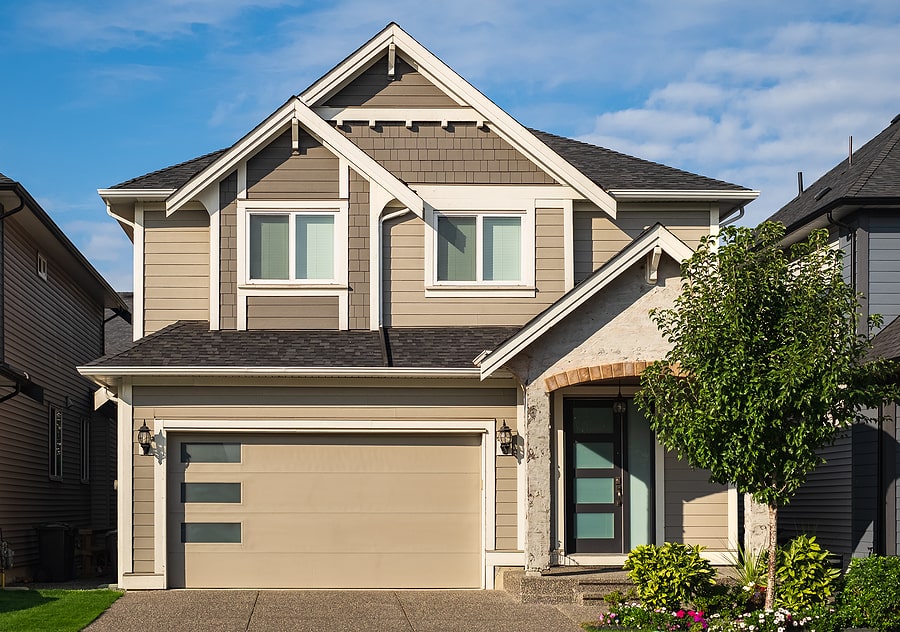
Overview of Modern House Siding Trends
In modern architecture, house siding plays a crucial role in not only protecting the structure but also enhancing its aesthetic appeal. The choice of siding can significantly impact the overall look and feel of a home. Over the years, siding trends have evolved to incorporate a wide range of materials, styles, and colors to suit different architectural designs and personal preferences. What was once primarily limited to basic options like wood or vinyl has now expanded to include innovative and sustainable choices.Popular Materials Used in Modern House Siding
- Fiber Cement: Known for its durability and low maintenance, fiber cement siding has become a popular choice for modern homes. It can mimic the look of wood, stucco, or stone.
- Metal: Metal siding, such as steel or aluminum, offers a sleek and contemporary appearance. It is resistant to fire, pests, and rot, making it a durable option.
- Wood: Despite being a traditional choice, wood siding continues to be popular in modern architecture. It adds warmth and natural beauty to a home, with options like cedar, pine, or redwood.
- Composite: Composite siding combines various materials to create a versatile and long-lasting option. It can replicate the appearance of wood while offering enhanced durability and weather resistance.
- Engineered Wood: Engineered wood siding is designed to provide the look of real wood with added strength and durability. It is available in a range of finishes and textures.
Sustainable Siding Options
When it comes to modern house siding trends, sustainability is a key factor for many homeowners. Eco-friendly siding materials not only contribute to a greener environment but also offer several benefits in terms of durability and aesthetics.Benefits of Sustainable Siding Options
- Environmental impact: Sustainable siding options are made from renewable resources or recycled materials, reducing the overall carbon footprint of a home.
- Energy efficiency: Certain sustainable siding materials provide better insulation, helping to reduce energy consumption and lower utility bills.
- Longevity: Many eco-friendly siding options are known for their durability and resistance to elements such as moisture, rot, and pests, leading to longer lifespan.
Comparison of Durability and Aesthetics
When comparing sustainable siding materials in terms of durability and aesthetics, it's essential to consider factors such as maintenance requirements, color options, and overall appearance.For example, fiber cement siding is a popular sustainable option known for its durability and low maintenance, while wood siding offers a natural and timeless look but may require more upkeep.
- Fiber Cement: Resistant to rot, fire, and insects, with a wide range of colors and textures available.
- Wood: Offers a classic beauty and charm, but may need regular painting or staining to maintain its appearance.
- Vinyl: Lightweight, affordable, and easy to install, but may not be as environmentally friendly as other options.