As The Psychology of Consumer Spending: Trends to Watch in Late 2026 takes center stage, this opening passage beckons readers with casual formal language style into a world crafted with good knowledge, ensuring a reading experience that is both absorbing and distinctly original.
In this comprehensive analysis, we delve into the intricate relationship between consumer behavior and economic factors, shedding light on the latest trends and shifts shaping consumer spending habits in late 2026.
Understanding Consumer Behavior
Consumer behavior is influenced by a myriad of factors that shape their spending habits. These factors can range from personal preferences and values to external influences such as economic conditions and social trends. One crucial aspect of consumer behavior is the impact of psychological triggers on purchasing decisions.Factors Influencing Consumer Spending Habits
- Income levels: Consumers with higher disposable incomes are more likely to spend on luxury items.
- Psychological factors: Personal beliefs, attitudes, and cultural influences can significantly impact consumer behavior.
- Social influences: Peer pressure, social media, and advertising play a key role in shaping consumer spending habits.
Psychological Triggers in Purchasing Decisions
Scarcity effect:
Limited availability of a product can create a sense of urgency, driving consumers to make impulse purchases.Emotional appeal:
Brands often use emotional marketing to evoke feelings of happiness, nostalgia, or fear to influence consumer choices.Loss aversion:
Consumers are more likely to make a purchase to avoid missing out on a perceived opportunity or deal.
Role of Emotions in Consumer Spending
- Emotions play a significant role in consumer spending decisions, often leading individuals to make impulsive purchases based on how a product makes them feel.
- Positive emotions like joy and excitement can drive consumers to buy products that promise happiness or satisfaction.
- Negative emotions like fear or anxiety can also influence spending behavior, prompting consumers to seek products that offer security or comfort.
Current Trends in Consumer Spending
The landscape of consumer spending is continuously evolving, shaped by various factors such as technological advancements, changing consumer preferences, and economic conditions. In late 2026, several notable trends have emerged that are influencing how people shop and spend their money.Shift Towards Online Shopping
The rise of e-commerce has been a dominant force in the retail industry, with more consumers turning to online platforms to make their purchases. The convenience of shopping from the comfort of one's home, coupled with a wider range of products and competitive pricing, has contributed to the popularity of online shopping. This shift has impacted traditional brick-and-mortar stores, leading to closures and a reevaluation of their business models to adapt to the digital age.Influence of Social Media
Social media platforms have become powerful tools for influencing consumer buying behavior. With the rise of influencer marketing and targeted advertising, individuals are exposed to a constant stream of product recommendations and promotions. The interactive nature of social media allows consumers to engage with brands directly, creating a more personalized shopping experience. As a result, social media has become a key driver in shaping consumer preferences and purchasing decisions.Behavioral Economics and Consumer Spending
Behavioral economics plays a crucial role in understanding consumer spending patterns. It combines insights from psychology and economics to explain how individuals make decisions regarding their purchases.
Principles of Behavioral Economics in Relation to Consumer Spending
One of the key principles of behavioral economics is that individuals do not always make rational decisions when it comes to spending. Factors such as emotions, social influences, and cognitive biases can significantly impact consumer behavior.
- Cognitive Biases: Cognitive biases are systematic patterns of deviation from rationality in judgment, whereby individuals make decisions based on subjective factors rather than objective reality. For example, the anchoring bias can lead consumers to rely heavily on the first piece of information they receive when making a purchasing decision, even if it is irrelevant.
- Loss Aversion: This bias refers to the tendency for individuals to strongly prefer avoiding losses over acquiring gains. Consumers may be more influenced by the fear of losing out on a deal or missing an opportunity than by the potential benefits of a purchase.
- Social Proof: People tend to look to others to determine the correct behavior in a particular situation. Social proof can influence consumer spending by creating a sense of conformity or FOMO (fear of missing out).
Nudging in Encouraging Consumer Spending
Nudging is a concept in behavioral economics that involves subtly influencing individuals' decisions without restricting their choices. In terms of consumer spending, nudges can be used to encourage certain behaviors without imposing mandates or restrictions
- Choice Architecture: By adjusting the way choices are presented to consumers, businesses can nudge them towards specific purchasing decisions. For example, highlighting a "best value" option or framing a product as a limited-time offer can influence consumer choices.
- Default Options: Setting default choices can nudge consumers towards a particular decision. For instance, subscription services often use default settings for auto-renewal to encourage repeat purchases unless the consumer actively opts out.
- Feedback and Rewards: Providing positive reinforcement through rewards or feedback can nudge consumers towards desired spending behaviors. Loyalty programs, discounts for repeat purchases, or personalized recommendations are common strategies used to nudge consumers.
Impact of Economic Factors
Economic factors play a crucial role in shaping consumer spending habits. Let's delve into how factors like inflation, unemployment, consumer confidence, and income levels impact consumer behavior.1. Inflation and Unemployment Effects
Inflation and unemployment rates can significantly influence consumer spending. When prices rise due to inflation, consumers may cut back on non-essential purchases to cope with the increased cost of living. Similarly, high unemployment rates lead to lower consumer spending as people become more cautious about their finances.2. Correlation between Consumer Confidence and Spending Patterns
Consumer confidence, which reflects people's optimism about the economy, directly affects their spending habits. When confidence is high, consumers are more likely to make big-ticket purchases and invest in luxury items. Conversely, low consumer confidence often results in reduced spending and increased saving.3. Role of Income Levels in Consumer Behavior
Income levels play a crucial role in determining consumer spending patterns. Higher income earners tend to spend more on discretionary items and luxury goods, while lower-income individuals focus on essential purchases. Changes in income, such as salary increases or job losses, directly impact how consumers allocate their budgets.Final Thoughts
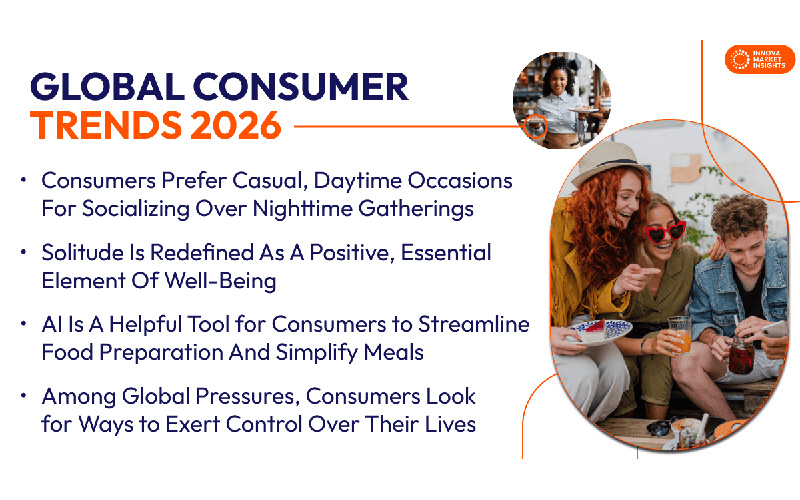
In conclusion, The Psychology of Consumer Spending: Trends to Watch in Late 2026 offers valuable insights into the complex interplay of psychological triggers, economic conditions, and societal influences on consumer behavior. As we navigate the ever-evolving landscape of consumer spending, staying informed and adaptable is key to understanding and predicting future trends in the market.
Expert Answers
What are some common factors influencing consumer spending habits?
Consumer spending habits can be influenced by various factors such as income levels, personal preferences, social influences, and economic conditions.
How does social media impact consumer buying behavior?
Social media plays a significant role in shaping consumer buying behavior by influencing purchasing decisions, product awareness, and brand perception.
What is the concept of 'nudging' in consumer spending?
Nudging refers to subtle cues or strategies used to influence consumer behavior towards making specific choices or purchases.