Embarking on the exploration of The Future of Legal-Tech: How AI is Streamlining Document Review, we delve into a captivating narrative that offers a unique and insightful perspective on the topic.
The subsequent paragraph provides a detailed and informative overview of the subject matter.
The Role of AI in Legal-Tech
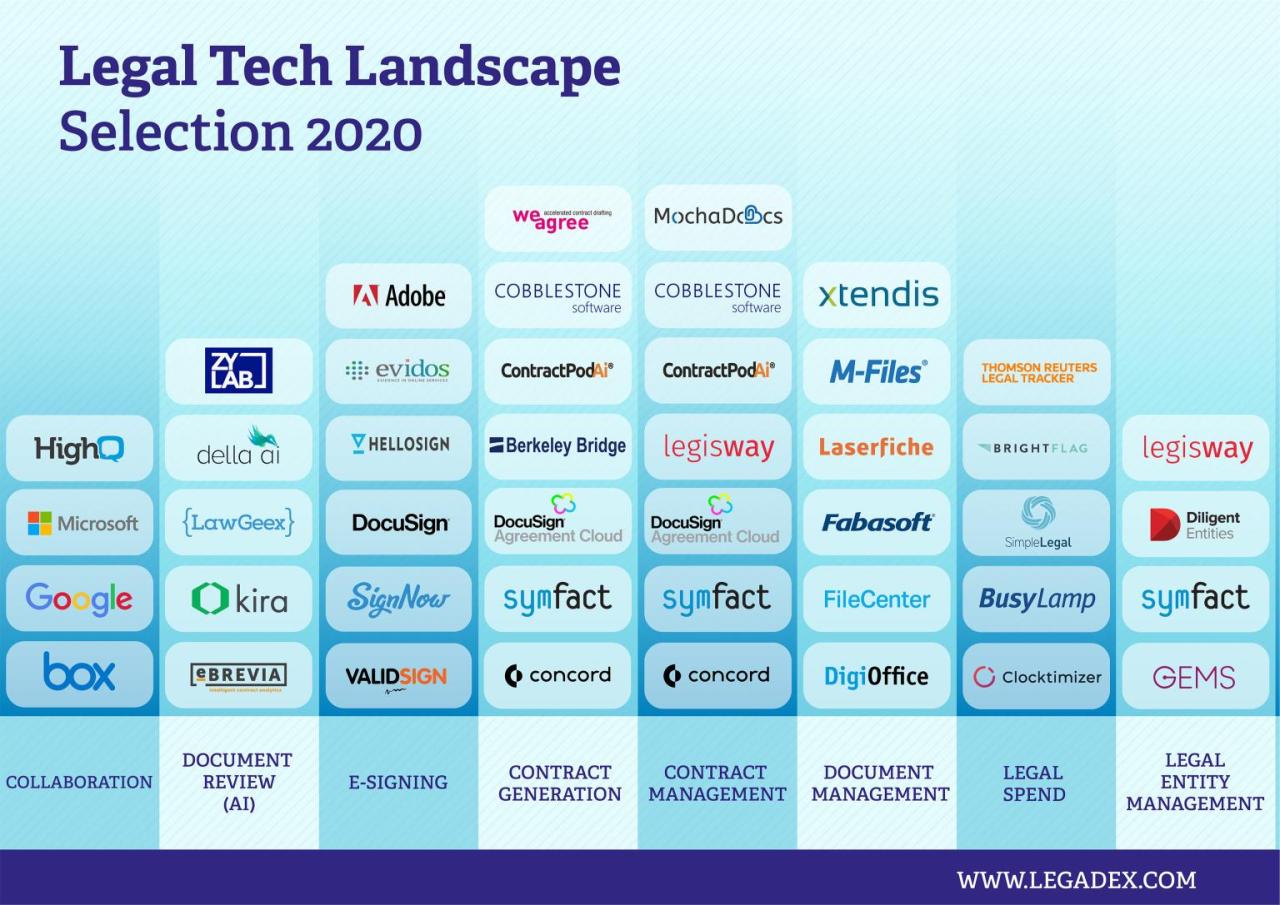 AI has become a game-changer in the legal industry, transforming the way law firms and legal departments handle document review processes. By leveraging AI technologies, legal professionals can streamline their workflows, increase efficiency, and reduce the time and costs associated with manual document review.
Examples of AI in Legal-Tech for Document Review
- Machine Learning Algorithms: AI-powered algorithms can quickly analyze large volumes of legal documents to identify relevant information, key insights, and potential risks.
- Natural Language Processing (NLP): NLP technology enables AI systems to understand and process human language, allowing for more accurate and efficient document review.
- Predictive Analytics: AI tools can predict case outcomes, trends, and potential risks by analyzing historical data and patterns in legal documents.
Benefits of Using AI in Streamlining Document Review Processes
- Time-Saving: AI can review documents at a much faster rate than humans, significantly reducing the time needed for document review tasks.
- Cost-Effective: By automating document review processes, AI helps law firms and legal departments save on operational costs and increase overall productivity.
- Improved Accuracy: AI technologies can provide more accurate and consistent results compared to manual document review, minimizing the risk of errors and omissions.
- Enhanced Compliance: AI systems can ensure that document review processes adhere to regulatory requirements and compliance standards, reducing the likelihood of legal issues.
Challenges in Implementing AI for Document Review
Integrating AI into legal document review comes with its fair share of challenges, ranging from technical complexities to ensuring compliance with legal standards.
Obstacles Faced in Integrating AI
- Training AI algorithms with legal terminology and nuances can be time-consuming and resource-intensive.
- Ensuring the accuracy and reliability of AI systems in analyzing complex legal documents poses a significant challenge.
- Resistance from legal professionals who may be skeptical about relying on AI for critical document review tasks.
Complexities of Compliance with Legal Standards
- AI systems must adhere to data privacy regulations and confidentiality requirements when handling sensitive legal documents.
- Ensuring that AI solutions do not unintentionally violate attorney-client privilege or other legal principles is crucial.
- Regularly updating AI algorithms to reflect changes in laws and regulations to maintain compliance can be a daunting task.
Potential Risks Associated with AI in Document Review
- Errors in AI analysis could lead to inaccurate legal conclusions and potentially harm a case's outcome.
- Security vulnerabilities in AI systems could expose confidential legal information to unauthorized access.
- Overreliance on AI without human oversight may overlook critical details or context in legal documents, leading to oversights or misinterpretations.
Ethical Considerations in AI-Powered Document Review
As artificial intelligence continues to revolutionize the legal industry, it is crucial to consider the ethical implications of using AI for document review
Ensuring Ethical Use of AI Tools
Legal professionals can ensure ethical use of AI tools in document review by implementing transparency and accountability measures. It is essential to understand how AI algorithms work and to regularly audit their performance to prevent biases and errors.
Balancing Efficiency and Ethics
While AI-powered document review can significantly enhance efficiency in legal processes, it is important to strike a balance between efficiency and ethical considerations. Legal professionals must prioritize ethical standards and ensure that AI tools are used responsibly to uphold the integrity of the legal system.
Future Trends in AI-Driven Legal Document Review
AI technologies have already made significant strides in streamlining document review processes within the legal industry. Looking ahead, it is anticipated that these advancements will continue to evolve, further enhancing efficiency and accuracy in legal document analysis.Enhanced Natural Language Processing
With the continuous development of AI algorithms, natural language processing (NLP) capabilities are expected to become even more sophisticated. This will enable AI systems to better understand and interpret complex legal documents, contracts, and case files, reducing the time and effort required for manual review.Increased Adoption of Machine Learning
Machine learning algorithms are becoming increasingly integral to AI-powered document review systems. As these algorithms continue to learn from data patterns and user interactions, they will become more adept at identifying relevant information, flagging potential issues, and providing valuable insights to legal professionals.Impact on the Legal Profession
The advancement of AI technologies in legal document review is poised to revolutionize the legal profession. By automating mundane tasks and accelerating the review process, AI enables legal professionals to focus on higher-value work, such as strategic decision-making, client interactions, and case analysis.Potential Ethical Considerations
As AI becomes more ingrained in legal document review processes, ethical considerations surrounding data privacy, bias detection, and transparency will become increasingly important. Legal professionals must remain vigilant in ensuring that AI systems adhere to ethical standards and do not compromise the integrity of legal proceedings.Ending Remarks
Concluding our discussion, we summarize the key points in a compelling and thought-provoking manner.
Questions Often Asked
What are the potential risks of relying on AI for document review in the legal sector?
The risks include issues with data privacy, accuracy of AI algorithms, and potential biases in decision-making.
How can legal professionals ensure ethical use of AI tools in document review?
Legal professionals can establish clear guidelines, provide ongoing training, and conduct regular audits to ensure ethical use of AI tools.
What are some emerging trends in AI-driven legal document review?
Emerging trends include advancements in natural language processing, machine learning algorithms, and the integration of AI with other technologies.